Hydroponic Farming Uganda | Greenhouses, Solar Dryers & Training | Hydroponic Farms Uganda

Uganda's Premier Hydroponics,
Greenhouses & Solar Dryers
Since 2020

Award-Winning Solutions in Hydroponics, Screenhouses,
Greenhouses, Solar Dryers & Premium Seedlings

Our Recent Projects

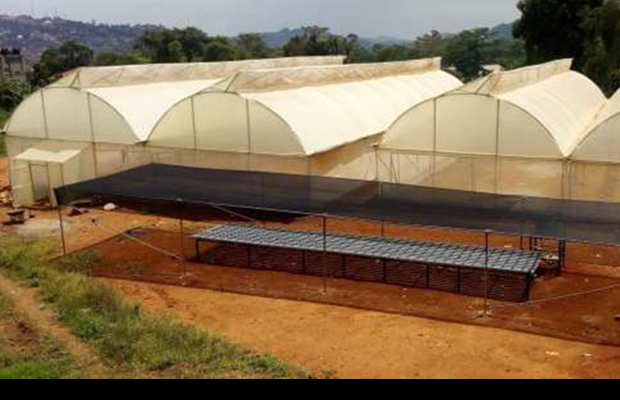
Construction of greenhouses for hydroponics in Uganda

Construction of Greenhouses for Hydroponics

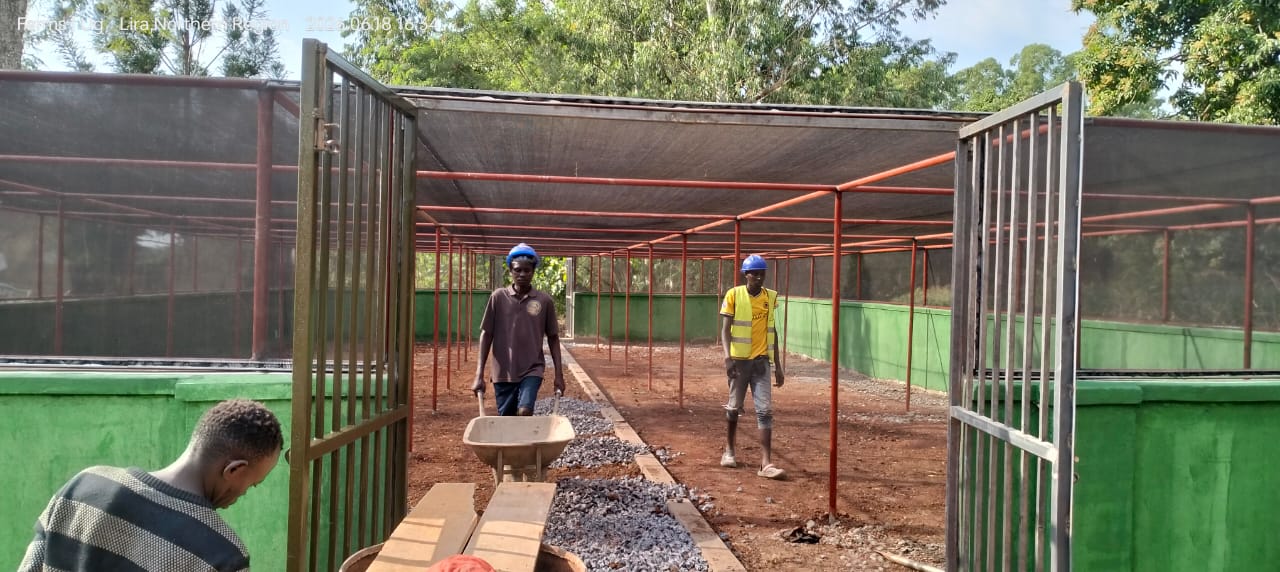
Screenhouse construction for coffee seedlings Uganda

Screenhouse Construction

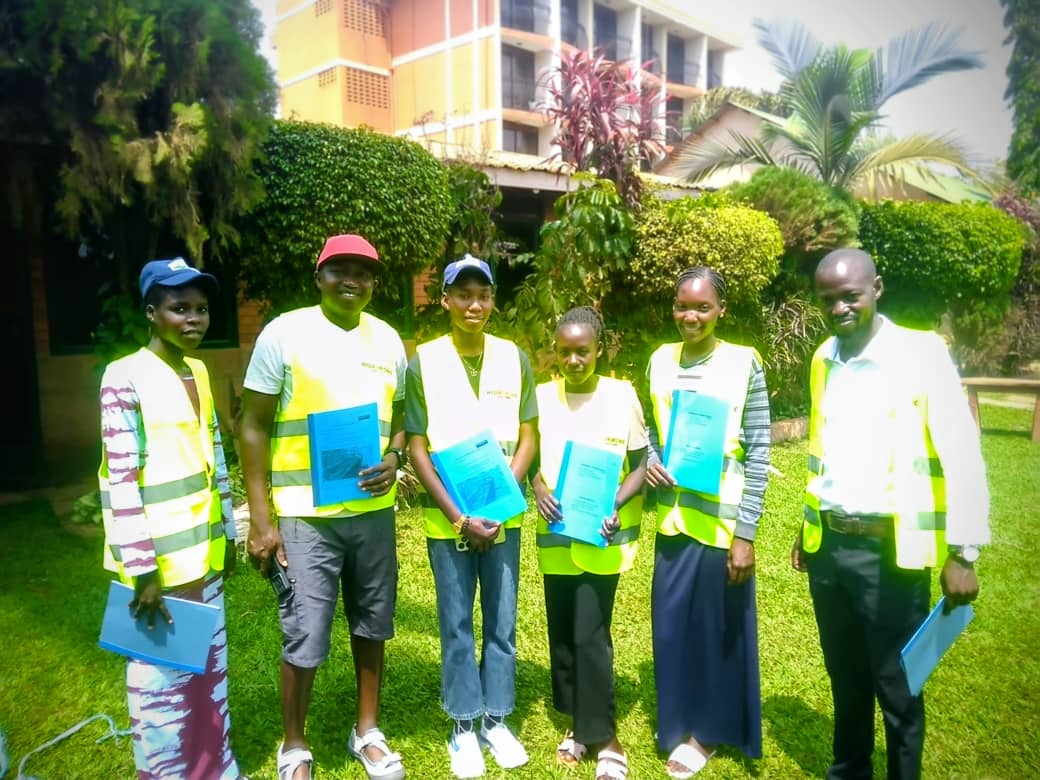
Experienced team of Hydroponic Farms Uganda delivering projects

Experienced Team that Delivers

Hybrid Solar Dryers for post-harvest processing in Uganda by Hydroponic Farms Uganda

Solar Dryers

Deal of the Day

Solar Pump and Solar Panel 200W package deal Uganda

Solar Pump and Solar Panel (200W)

UGX 2,500,000 UGX 2,000,000 20% OFF
Add to Cart
UV Treated Steel Greenhouse per square metre Uganda

UV Steel Greenhouse (Per m²)

UGX 2,000,000 UGX 1,800,000 10% OFF
Add to Cart
Hybrid Solar Dryers for fruits vegetables and crops Uganda – special offer

Solar Dryers

UGX 3,500,000 UGX 2,800,000 20% OFF
Add to Cart

What is Hydroponic Farming?

Hydroponics is a soil-less farming method that grows plants in nutrient-rich water. In Uganda it conserves up to 90% more water than traditional farming, maximises limited space and delivers higher yields year-round. Ideal for urban farming in Kampala and rural communities alike, our hydroponic systems help farmers produce more food with fewer resources.

Solar Dryers – Post-Harvest Power

Our solar dryers use the power of the sun to safely dry fruits, vegetables, grains, herbs and other crops. They reduce post-harvest losses, improve product quality, extend shelf life and open new markets for Ugandan farmers. Designed for local conditions, our dryers are affordable, low-maintenance and perfect for both smallholder and commercial operations.

What Have We Achieved Since May 2020?

Since our inception, Hydroponic Farms Uganda has trained over 2,500 farmers in modern techniques, installed 150+ greenhouse and screenhouse systems, and supported urban farming initiatives across Kampala and beyond. We have helped clients achieve yield increases of up to 300% while partnering with local NGOs and organisations such as FAO to expand sustainable agriculture and food security in Uganda.

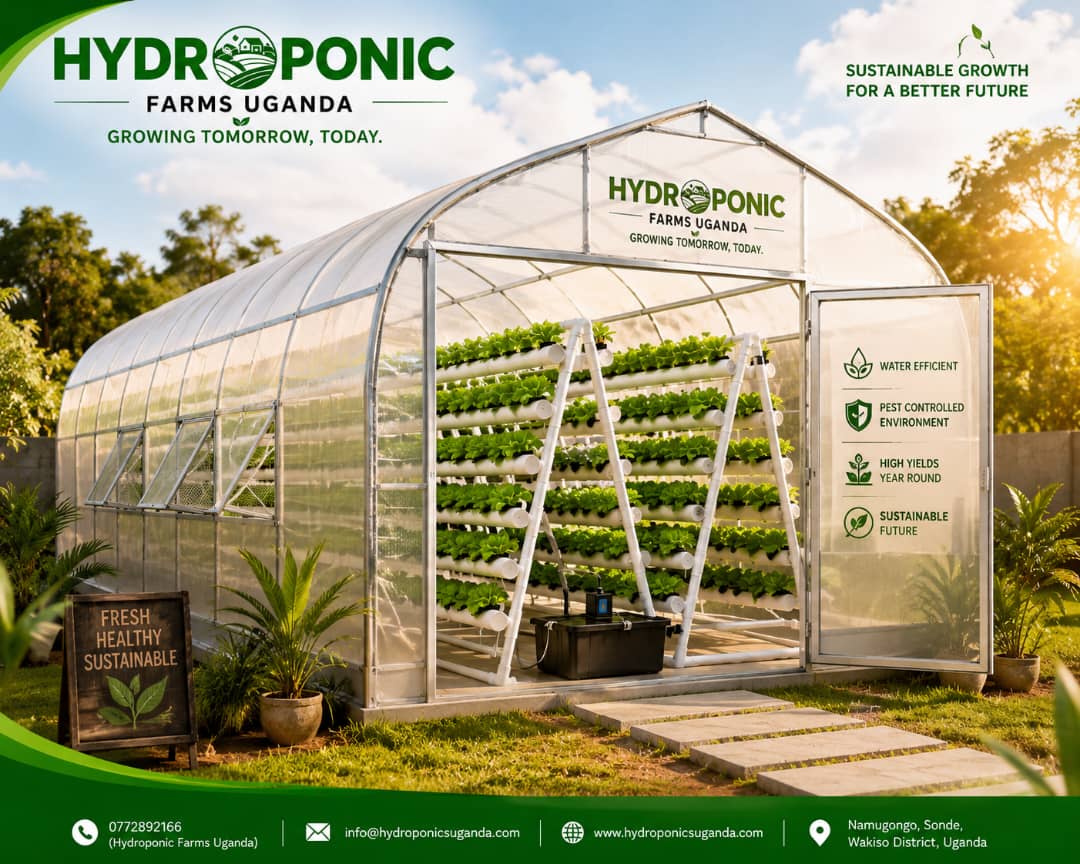
Hydroponic systems installed by Hydroponic Farms Uganda

Hydroponic Systems

Complete nutrient-film and deep-water culture systems designed for Uganda’s climate and market needs.

Learn More
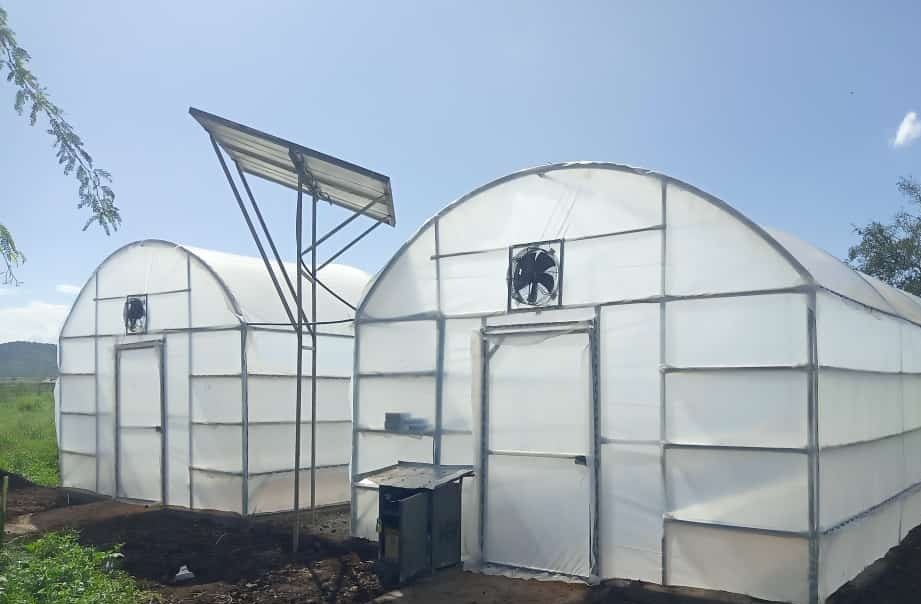
Custom greenhouse construction Uganda

Greenhouse Construction

UV-treated polythene and steel-frame greenhouses and screenhouses built for durability and optimal crop protection.

Learn More
Hybrid Solar Dryers and solar-powered farming solutions Uganda

Solar Dryers & Solar Solutions

Efficient solar dryers and solar water pumps that cut energy costs and reduce post-harvest losses for Ugandan farmers.

Learn More

Our Hydroponics & Solar Impact in Uganda

0

Farmers & People Trained

0

Greenhouse Systems Installed

0

Water Saved (%)

0

Yield Increase (%)

Our Services

Hydroponic Farming in Schools

We install hydroponic systems in schools to teach students sustainable farming and improve nutrition.

Training Programs

Hands-on training for farmers, NGOs and communities on hydroponics, greenhouses and solar drying.

Solar-Powered Solutions

Solar dryers, pumps and energy systems that make farming more resilient and profitable.

Premium Seedlings

High-quality vegetable and coffee seedlings produced under controlled conditions for better survival rates.

Why Choose Hydroponic Farms Uganda?

Sustainable Innovation

Our systems use up to 90% less water and dramatically reduce post-harvest losses with solar dryers.

Expert Support

From design and installation to training and after-sales service – we walk with you every step.

Proven Results

2,500+ farmers trained and 150+ systems installed since 2020 with measurable yield gains.

Our Impact and Vision

Business Model

Flexible B2B and B2C options including Pay-as-You-Go and Pay-Per-Use so more farmers can access our technology.

Community Integration

Rooted in local communities, we understand the real challenges Ugandan farmers face every day.

Project Delivery

Successfully delivered over 150 projects for schools, NGOs, commercial farms and individual farmers.

Our Partners

Hydroponics, Greenhouses & Solar Dryers in Uganda: FAQs

Practical answers for farmers, schools, NGOs, institutions and agribusinesses planning hydroponic farming, protected agriculture and solar drying projects in Uganda and the wider East African region.

Hydroponic farming grows plants without soil by supplying water and dissolved plant nutrients directly to the root zone. Systems can be adapted for homes, schools, urban farms and commercial projects. Hydroponic Farms Uganda designs systems around available space, crop choice, water supply, power options and the client's production goals.

The cost of a hydroponic system in Uganda depends on the number of plant sites, system type, crop, structure, automation level, water storage and whether solar backup is required. Small demonstration systems cost less than school or commercial farms. Contact Hydroponic Farms Uganda with your location, available space and target crop for a tailored quotation.

The best system depends on the crop and project. NFT systems are commonly suited to leafy vegetables and herbs, while Dutch bucket systems are useful for fruiting crops such as tomatoes and peppers. A project may combine systems where different crops are required. We assess the site before recommending a configuration.

Hydroponic systems can support many vegetables and herbs, including lettuce and other leafy vegetables, herbs, tomatoes and peppers when the system is designed for the crop. Crop selection should also consider local demand, temperature, water quality, seed availability and the grower's management capacity.

Recirculating hydroponic systems can substantially reduce water use because nutrient solution is delivered directly to plant roots and can be reused rather than lost through broad soil irrigation. Actual savings depend on system design, crop, climate, leaks, cleaning and management. Our systems are designed to improve water-use efficiency under local conditions.

Yes, some hydroponic approaches can operate with little or no continuous electricity, while pumped NFT and automated systems require power. Where grid reliability is a concern, a project can be designed with passive methods, timers, backup storage or solar-powered pumping depending on the crop and budget.

Yes. We design and install school hydroponic gardens that can support STEM learning, practical agriculture, nutrition education and student enterprise activities. A school system can be sized according to student numbers, available space, water access, supervision and the crops the school wants to grow.

Hydroponics creates practical lessons around plant biology, chemistry, nutrient concentration, pH, water management, sensors, automation, solar energy, data collection and entrepreneurship. Schools can use one garden across science, agriculture, ICT and environmental-learning activities.

Yes. Hydroponic Farms Uganda designs and constructs protected growing structures for hydroponic and soil-based production. Project specifications can include steel framing, UV-treated greenhouse covering, ventilation, insect protection, irrigation and internal growing systems according to the site and crop.

A greenhouse typically uses a protective transparent or translucent covering to create a more controlled crop environment, while a screenhouse relies mainly on insect netting or shade material for protection and ventilation. The right structure depends on crop, climate, pest pressure, nursery requirements and budget.

Yes. We construct screenhouses and protected nursery structures for seedlings and other crop-production needs. Size, shade level, insect protection, irrigation and internal layout are selected according to the crop and nursery objective.

Greenhouse cost depends on dimensions, frame material, covering, foundation, doors, ventilation, irrigation, internal hydroponic equipment, transport and site conditions. Because these factors vary significantly, an accurate price requires the required size and project location.

Installation time depends on project size, site readiness, fabrication requirements, transport, civil works and the level of automation. Small systems can be completed faster than large commercial greenhouses or multi-site projects. We provide a project-specific implementation schedule with the quotation.

Yes. We provide practical training for farmers, schools, organisations and project teams. Training can cover system operation, seedlings, nutrient preparation, pH and EC management, crop care, hygiene, troubleshooting, harvesting and basic system maintenance.

Yes. We support NGOs, schools, institutions, farmer groups and development programmes with site assessment, system design, installation, training, implementation support and climate-smart agriculture solutions. Projects can be adapted to education, livelihoods, nutrition, water efficiency and demonstration objectives.

A solar dryer uses captured solar heat and controlled airflow to remove moisture from agricultural produce more hygienically than exposing produce directly on the ground or in the open. It can help reduce contamination risk, improve consistency, extend shelf life and reduce post-harvest losses when properly operated.

Solar dryer prices depend on capacity, dimensions, construction materials, tray or rack configuration, airflow design, fans, solar components, civil works and transport. Our website may feature promotional models, while larger farm and institutional dryers are quoted according to required capacity and site conditions.

Depending on the dryer design and food-safety requirements, solar drying can be used for products such as fruits, vegetables, herbs, grains and selected root crops. Drying temperature, slice thickness, loading density, airflow and target moisture must be managed for each product.

Yes. We design and build solar-drying solutions for individual farms, farmer groups, institutions and commercial projects. We can size the dryer around expected daily or batch throughput, crop type, available site area and processing workflow.

We support hydroponic projects with relevant production inputs depending on the project scope. These may include hydroponic nutrients, seedlings or seed-starting materials, growing media and operating guidance. Availability and specifications should be confirmed when requesting a quotation.

Hydroponic projects can incorporate monitoring and automation for functions such as water circulation, irrigation timing and selected growing parameters. The appropriate level of automation depends on system size, crop, budget, connectivity, power reliability and the operator's technical capacity.

Yes, solar power can be integrated into suitable hydroponic projects to support pumps and selected control equipment, especially where grid electricity is unreliable or unavailable. Solar sizing should be based on the actual pump load, operating hours, storage needs and site conditions.

Hydroponics can support commercial production, but profitability is not automatic. It depends on crop choice, selling price, yield, input costs, system utilisation, market access, management and losses. We encourage clients to plan the market and operating model alongside the technical system.

Yes. Hydroponic Farms Uganda is based in Uganda and undertakes projects beyond Kampala. Project feasibility, transport, accommodation and installation logistics depend on the site. Share the project location when requesting a quotation so these requirements can be included.

We can assess hydroponic, greenhouse, screenhouse and solar-drying opportunities in East Africa on a project basis. Cross-border work requires confirmation of site conditions, logistics, local requirements, installation scope and after-sales arrangements before a final proposal is issued.

Send your project location, available space or preferred dimensions, crop, approximate plant capacity, water and power situation, and whether you need a greenhouse, hydroponic system, screenhouse, solar dryer or training. You can contact us directly on WhatsApp at +256 772 892 166 for the next steps.

Planning a project? Send your location, available space, crop and target capacity on WhatsApp: +256 772 892 166 for a tailored recommendation and quotation.

Reach Out to Us

Message Us on WhatsApp

© 2020–2026 Hydroponic Farms Uganda. All rights reserved. | Kampala, Uganda

Hydroponics • Greenhouses • Solar Dryers • Training • Seedlings