
Sustainability & Hydroponics in Uganda
How innovative soilless farming is transforming food production, conserving water, and building climate resilience across Uganda.
Why Sustainability Matters in Ugandan Agriculture
Uganda’s agricultural sector faces growing pressure from climate change, rapid urbanization, land degradation, and water scarcity. Traditional farming methods alone can no longer guarantee long-term food security. Hydroponics — a soilless method of growing plants in nutrient-rich water — has emerged as one of the most promising climate-smart solutions for sustainable agriculture in Uganda.
By combining high productivity with dramatically lower water and land requirements, hydroponic farming supports environmental protection while increasing food availability for both rural and urban communities.
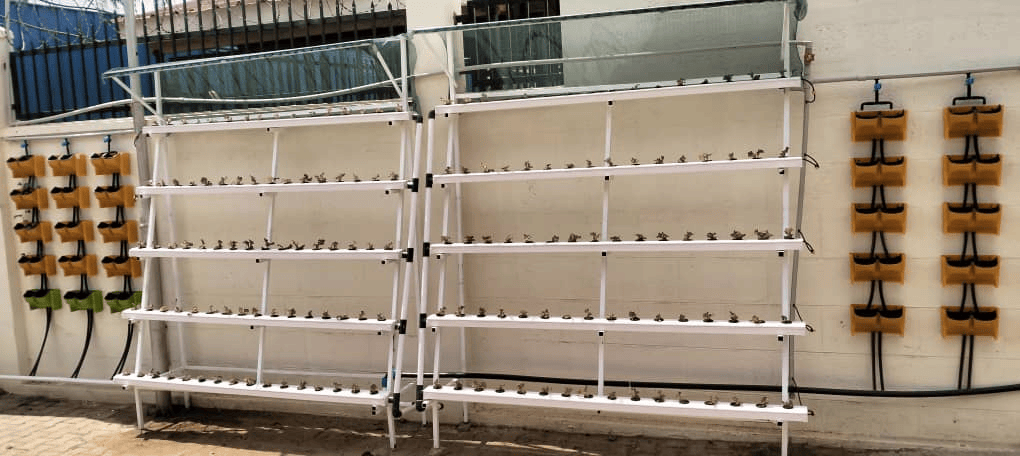
Key Benefits of Hydroponics for Sustainable Farming
Hydroponics delivers multiple sustainability advantages that directly address Uganda’s agricultural challenges:
Up to 90% Less Water
Closed-loop systems recycle water, making hydroponics ideal for regions facing water stress and prolonged dry seasons.
Space-Efficient Urban Farming
Vertical and compact systems allow high yields even in limited urban and peri-urban spaces where land is expensive.
Reduced Chemical Use
Precise nutrient delivery and controlled environments significantly lower the need for pesticides and herbicides.
Faster Crop Cycles
Crops mature faster, enabling multiple harvests per year and higher overall productivity per square metre.
Climate Resilience
Protected growing environments shield crops from extreme weather, pests, and unpredictable rainfall patterns.
Year-Round Production
Consistent growing conditions allow continuous production of fresh vegetables regardless of the season.
Hydroponics and Food Security in Uganda
With a rapidly growing population and increasing demand for nutritious food in cities, hydroponics offers a practical pathway to strengthen local food systems. Key contributions include:
- Boosting local production of high-value vegetables for urban markets
- Reducing reliance on imported fresh produce
- Creating green jobs and income opportunities for youth and women
- Supporting consistent supply of nutritious food throughout the year
- Empowering schools and communities with practical agricultural skills
Traditional Farming vs Hydroponics
| Aspect | Traditional Soil Farming | Hydroponics |
|---|---|---|
| Water Usage | High | Up to 90% less |
| Land Requirement | Large areas needed | Very space efficient |
| Pesticide Use | Often high | Significantly reduced |
| Crop Cycles | Seasonal | Multiple per year |
| Climate Vulnerability | High | Low (protected) |
| Urban Suitability | Limited | Excellent |
Setting Up Successful Hydroponic Systems in Uganda
Establishing a productive hydroponic farm requires careful planning and the right support:
- Protected Structures — Greenhouses or shade houses to manage temperature and humidity
- Clean Water Source — Reliable supply free from heavy contaminants
- Growing Media — Coco coir, perlite, rockwool or other inert materials
- Nutrient Solutions — Balanced fertilizers formulated for hydroponic crops
- Technical Training — Proper knowledge of system management, pH, EC and crop care
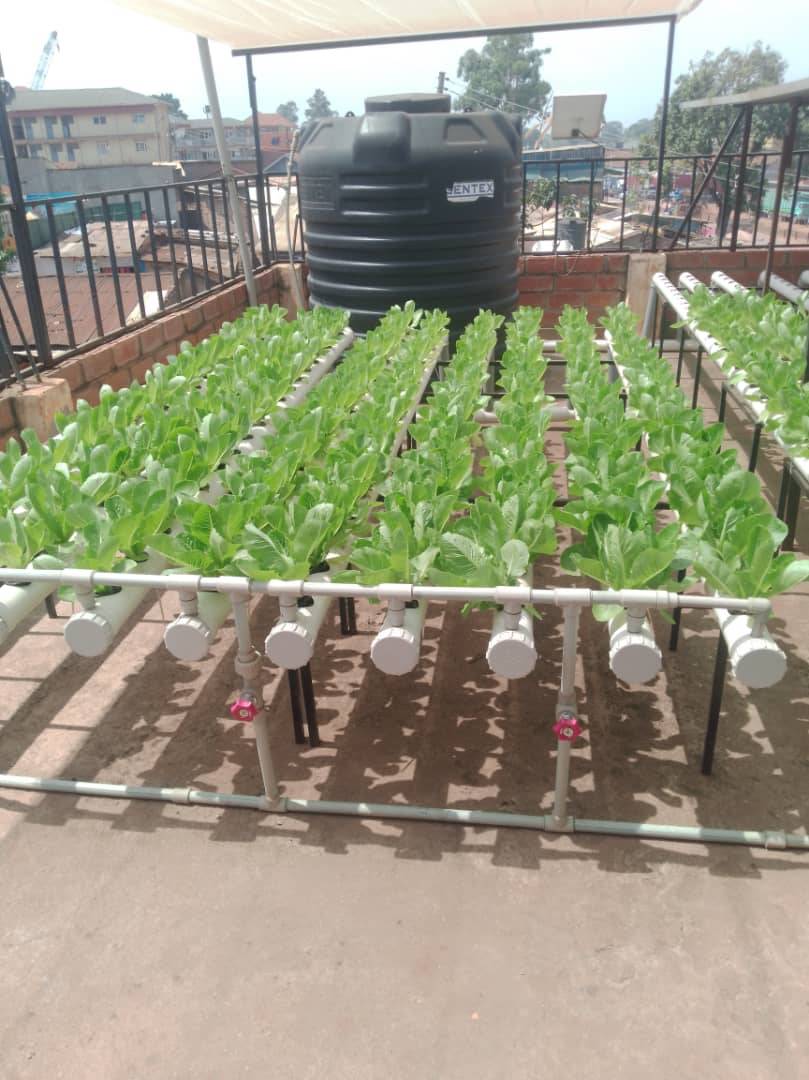
Frequently Asked Questions
Is hydroponics suitable for smallholder farmers in Uganda?
Yes. While commercial systems require investment, smaller low-tech hydroponic setups are increasingly accessible and can be highly profitable for vegetables and herbs.
How much water does hydroponics really save?
Well-managed recirculating systems can use 80–90% less water compared to conventional open-field irrigation.
Can hydroponics work without electricity?
Basic systems can operate with manual or gravity-fed methods, although pumps and climate control improve efficiency and consistency.
What crops grow best in hydroponics in Uganda?
Leafy greens, tomatoes, cucumbers, peppers, strawberries, herbs, and many high-value vegetables perform exceptionally well.
Ready to Start Your Sustainable Farm?
Hydroponic Farms Uganda provides training, system design, greenhouse construction, and ongoing support to help you succeed with climate-smart agriculture.
Get Expert Guidance Today